A major local project is underway to bring renewed attention to the life and legacy of Vale Rawlings, a determined trade unionist and social justice campaigner from Burton. The initiative will also support two local charities through the release of a new biography detailing his extraordinary life.
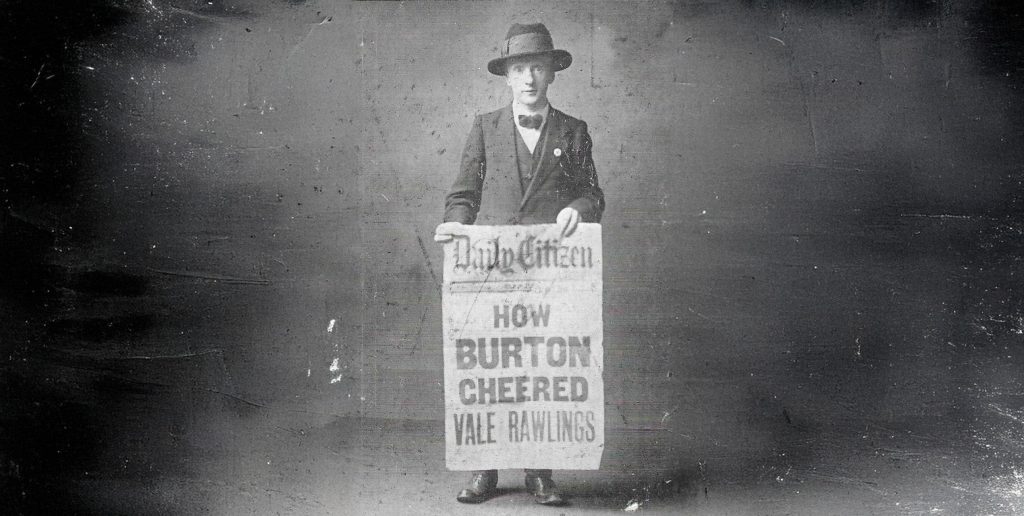
Rawlings is perhaps best known for his role in defending a group of 40 young female factory workers in June 1914. Some of the girls were as young as 13 and worked long hours in a factory on Mosley Street that produced sticky flypapers. For a 55-hour week, they earned between two shillings and sixpence and three shillings and ninepence — the equivalent of just £12.20 to £18.30 today.
Standing at only 4 feet 11 inches, Vale Rawlings was arrested and charged with assaulting a 6-foot-tall police inspector during a peaceful gathering in support of the striking workers. Despite multiple witnesses denying the accusation, he was sentenced to 21 days in jail. The case made headlines across the country and was raised several times in Parliament. Thousands of Burton residents signed a petition calling for a retrial, and several MPs backed the campaign to overturn his conviction.
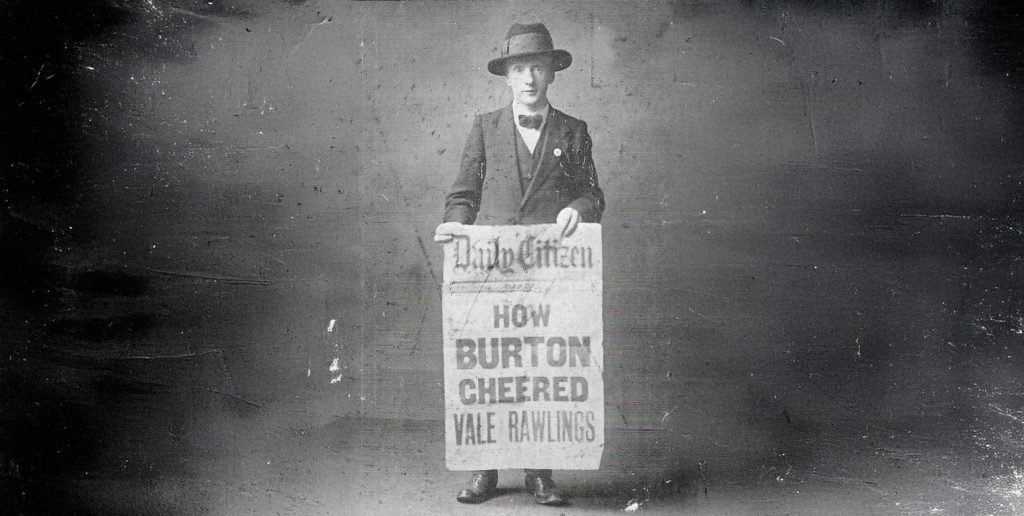
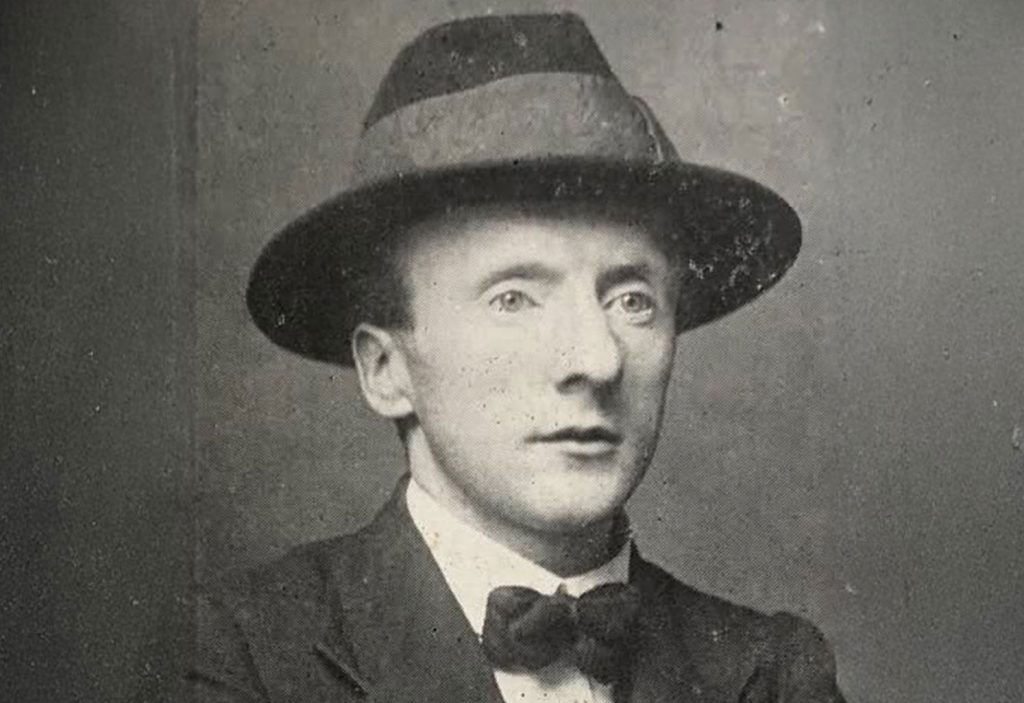
Vale Rawlings’s activism began early. He joined the Independent Labour Party in 1904 as a teenager and became a committed supporter of the Co-operative Movement. In 1911, he helped found Burton’s first branch of the Workers’ Union. One of his most significant achievements was securing a minimum wage of 23 shillings a week — worth more than £110 today — for labourers in Burton’s breweries. He also fought passionately for universal suffrage, believing that every working man and woman deserved the right to vote.
When he was released from Derby Gaol in 1914, Rawlings received a hero’s welcome. Thousands lined the route from Horninglow railway station to Burton Market Place. A brass band led the celebratory procession, and it was reported that around 7,000 people gathered to hear him speak.
Just weeks later, the First World War began. Vale continued to campaign for fair food prices and provided vital support to vulnerable families through his work with the Burton-on-Trent Voluntary Aid Association. He visited the sick and poor in their homes, collecting evidence to secure help for them in an era before the welfare state.
Although he was a conscientious objector and considered medically unfit for military service due to his height and a chronic heart condition, Vale was conscripted. He lost two appeals and was sentenced to two years of hard labour at Wormwood Scrubs for refusing to serve. He was eventually released on health grounds, with the help of his sister.
Today, Burton author Elaine Pritchard is preparing to publish a book that tells Vale’s full story. All profits and royalties from the book will go to two Burton-based charities: YMCA Burton and SARAC.
Vale was very much a product of his time. Life was so hard then for most working-class people in Burton. I feel it’s important we remember pioneers like Vale who fought to make work safer, working weeks shorter and wages and conditions better. To be able to help two charities whose work today embraces the values that Vale held dear throughout his life is also important to me.
After the war, Rawlings continued to serve his community as a local councillor. He pushed for better housing, improved healthcare, and safer roads. Later, he moved to Branston and became a market gardener. He passed away at his home on Clays Lane, Branston, on Christmas Eve 1940, just four days before his 53rd birthday.
